DIME PROJECT
AI-Enabled Care Navigation Framework
for Health Systems


US healthcare has become too complex for patients to navigate and increasingly costly for care delivery organizations to provide. Patients struggle to book appointments, get referrals, move between providers, and manage insurance. Too often, care is delayed or never happens:
-
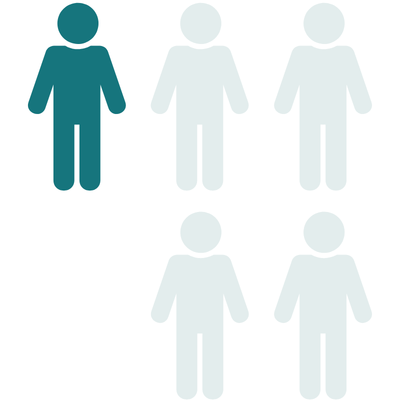 1 in 5 insured adults say getting appointments when they need them is a major burden.
-
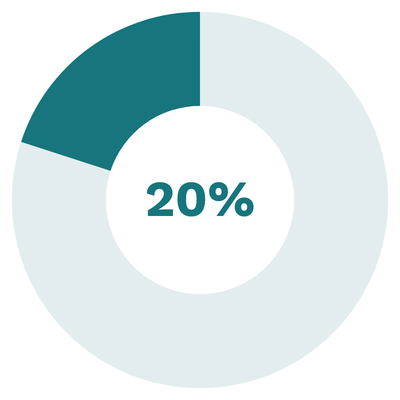 Almost 20% of patients have an adverse event within weeks of hospital discharge, and about a third of those events are preventable.
-
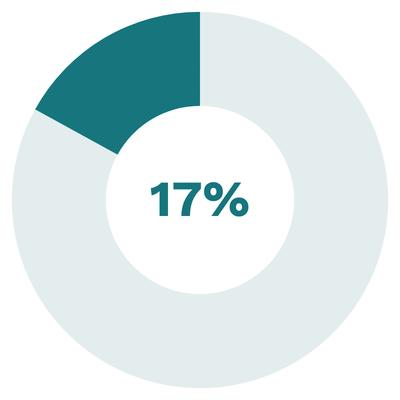 17% of privately insured adults, and 38.6% of uninsured adults, delayed or skipped care or medication because of cost.
For health systems, payers, and other care delivery organizations, the same fragmentation shows up as lost patients, lower satisfaction, avoidable readmissions, and rising costs.
Patients are already turning to AI to fill the gaps, often outside any health system’s view. Health systems are under pressure to do more with less. Yet 65.8% of US adults report low trust that their health system will use AI responsibly. The technology exists, but the actionable frameworks and evidence to deploy AI in ways patients and clinicians can trust lag behind.
WHAT’S INSIDE
The AI-Enabled Care Navigation Framework
The framework has three distinct layers:

The framework is built for clinical and operational leaders in US health systems and care delivery organizations who are deciding where to invest in navigation and how to evaluate AI tools.
Many of the failure points reflect US-specific factors such as prior authorization, claims and readmission penalties.
This work was developed between March and September 2026 through a structured, multi-stakeholder process led by the Digital Medicine Society with the Scaling Trusted, High-Impact AI Care Navigation partner team.
Over 90 individuals from 26 different organizations convened to co-create these resources. Contributors represented health systems, payers, patient advocacy organizations, technology developers, life sciences, and policymakers.
- Four co-design workshops established and refined the patient-journey framework
- Six working-group meetings provided iterative review of draft resources
- Four roundtable discussions tested emerging findings with a broader set of leaders.
- 13 in-depth expert interviews and targeted reviews of the published literature complemented these sessions.
Patient moments and AI opportunities were taken from these sessions, interviews, and literature scans, then combined and refined in rounds based on contributor consensus, how often they were mentioned across sources, and structured expert feedback.
The framework adds a navigation-specific, cross-condition lens to existing frameworks and resources in the ecosystem, such as:
- DiMe’s Implementing AI in Healthcare Playbook
- DiMe’s Operationalizing AI Governance in Healthcare
- AHRQ Care Coordination Measures Atlas
- Levesque’s patient-centered access framework and care-transitions research
The framework is built for clinical and operational leaders in US health systems and care delivery organizations who are deciding where to invest in navigation and how to evaluate AI tools.
Many of the failure points reflect US-specific factors such as prior authorization, claims and readmission penalties.
This work was developed between March and September 2026 through a structured, multi-stakeholder process led by the Digital Medicine Society with the Scaling Trusted, High-Impact AI Care Navigation partner team. Over 90 individuals from 26 different organizations convened to co-create these resources. Contributors represented health systems, payers, patient advocacy organizations, technology developers, life sciences, and policymakers.
- Four co-design workshops established and refined the patient-journey framework
- Six working-group meetings provided iterative review of draft resources
- Four roundtable discussions tested emerging findings with a broader set of leaders.
- 13 in-depth expert interviews and targeted reviews of the published literature complemented these sessions.
Patient moments and AI opportunities were taken from these sessions, interviews, and literature scans, then combined and refined in rounds based on contributor consensus, how often they were mentioned across sources, and structured expert feedback.
The framework adds a navigation-specific, cross-condition lens to existing frameworks and resources in the ecosystem, such as:
- DiMe’s Implementing AI in Healthcare Playbook
- DiMe’s Operationalizing AI Governance in Healthcare
- AHRQ Care Coordination Measures Atlas
- Levesque’s patient-centered access framework and care-transitions research
TITLE SPONSOR


In the news

Where AI can make the biggest impact in healthcare

LLM Privacy Risks, IntelyCare Acquisition, and More Predictions

HealthEx and Anthropic Partner to Bring Personal Health Records Directly to Claude

Digital Medicine Society Project Targets AI-Enabled Care Navigation
DiMe Launches Initiative to Scale Trusted AI Care Navigation